Latest Standing Desk Guides
-
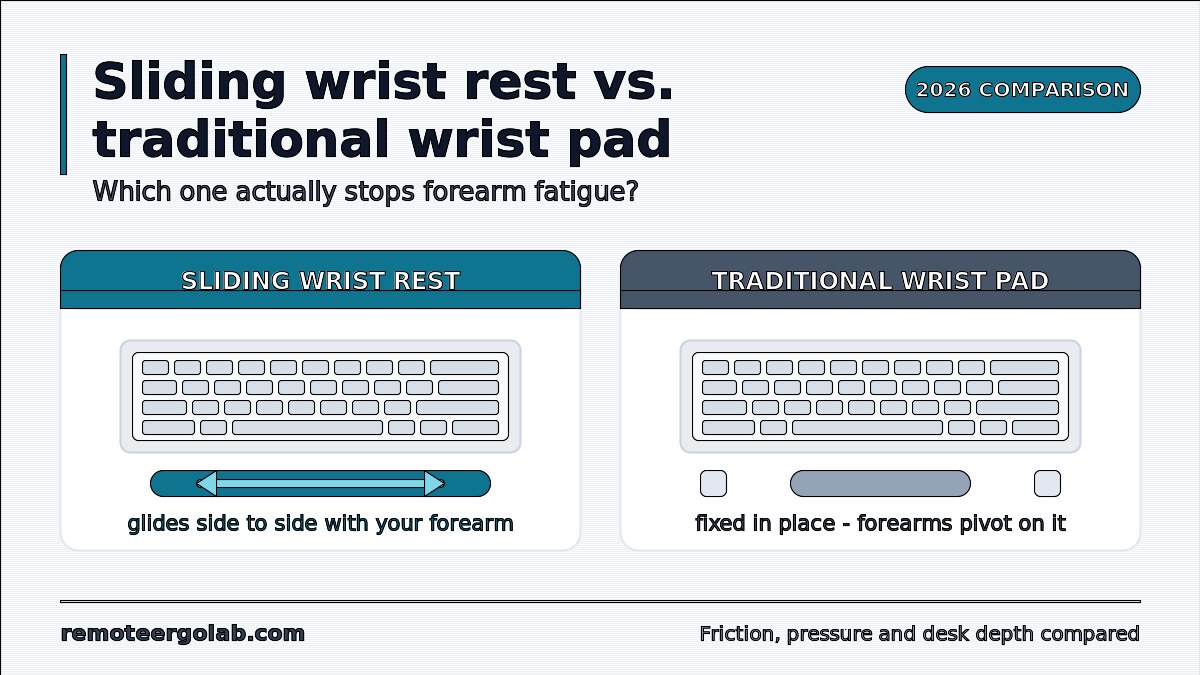
DeltaHub Carpio vs Wrist Rest: Sliding or Stationary Pad?
-
Best Desk Lamps for Tall People: 4 Picks That Reach Above Eye Level
-
Monitor Light Bar vs Desk Lamp: Which Cuts Screen Glare?
-
Trackball vs Vertical Mouse: 57-Degree Grip Test (2026)
-
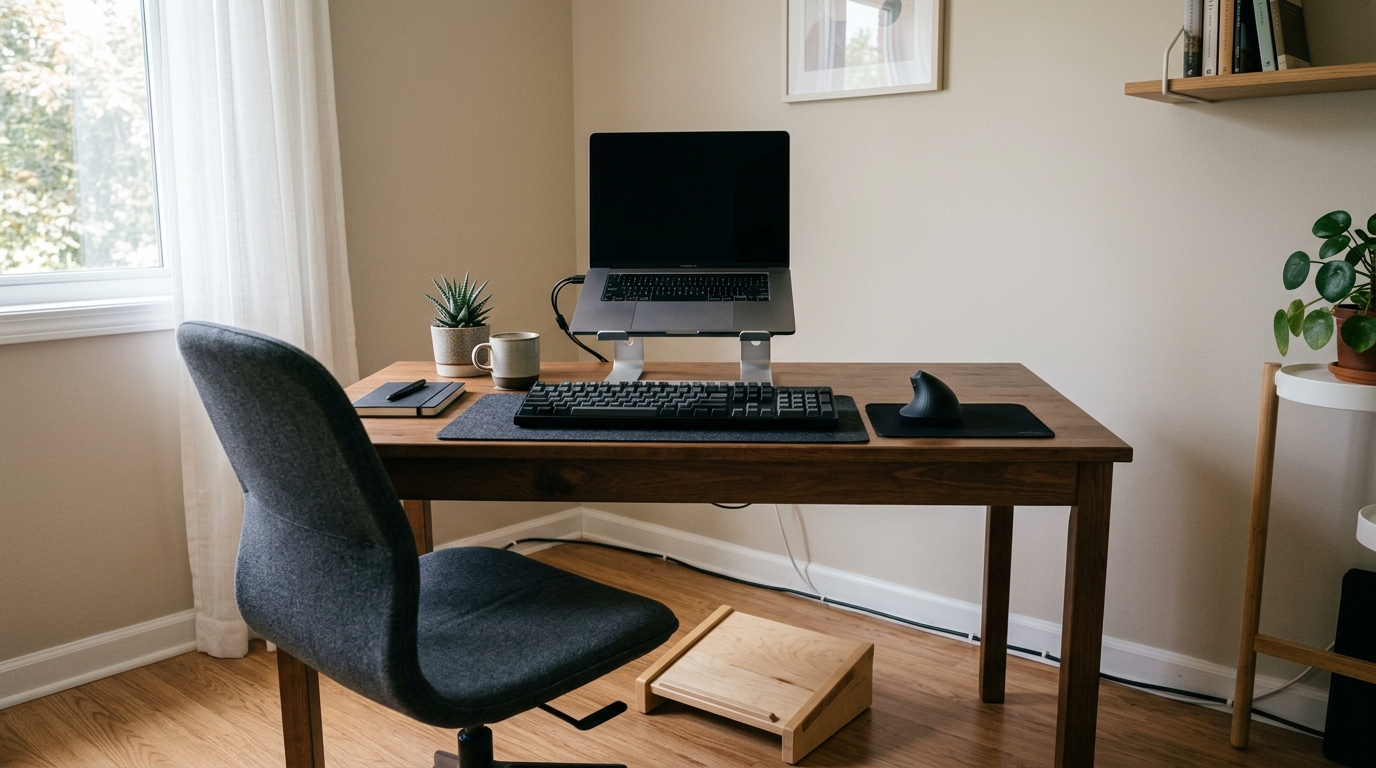
Best Budget Ergonomic Setup Under $200: 5 Picks (2026)
-
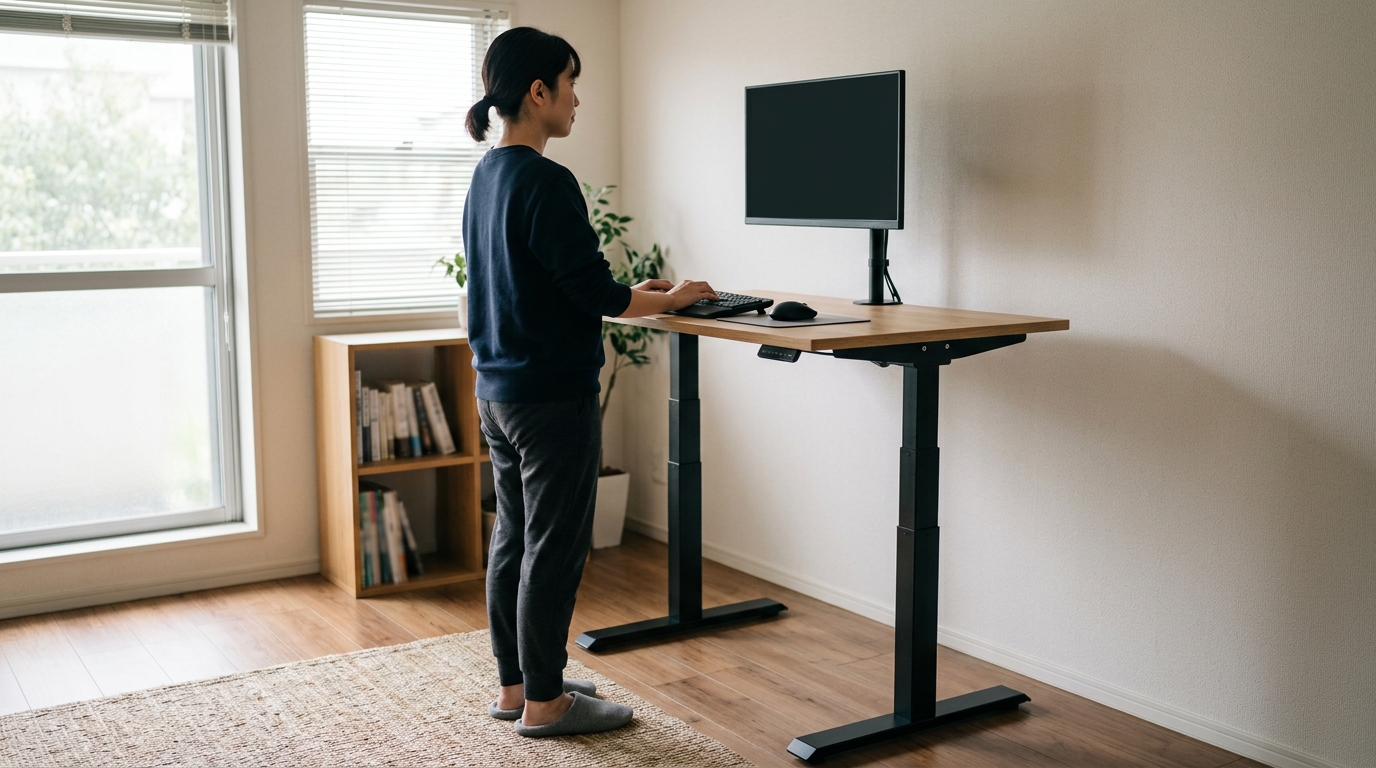
How High Should Your Standing Desk Be? (2026)
Why Standing Desks Matter for Remote Workers
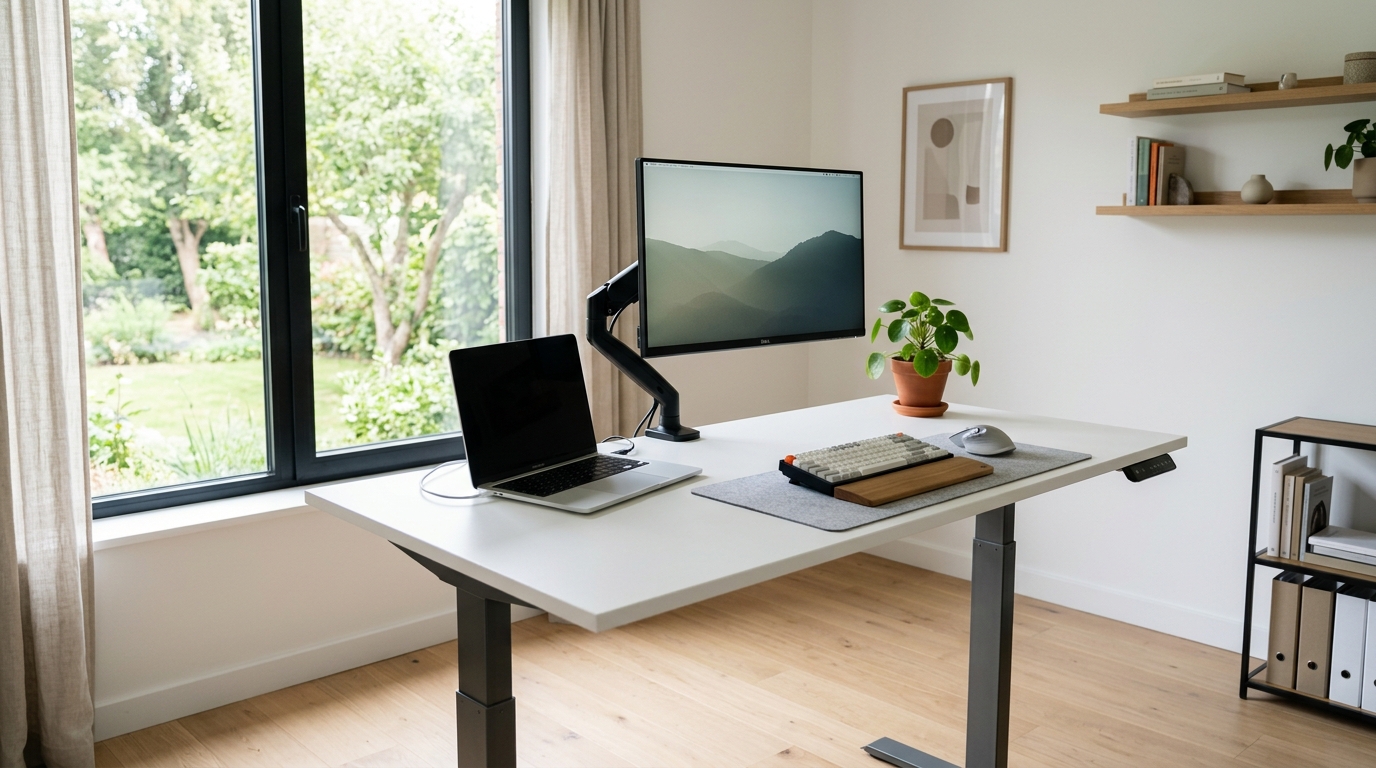
Remote work has changed the way many people design their daily routine. Instead of commuting to an office, walking between meeting rooms, or moving around a shared workspace, remote workers often spend long hours sitting in one place, usually in front of a laptop or monitor. At first, this setup can feel comfortable and convenient. But over time, the lack of movement can quietly create problems: lower back pain, stiff shoulders, neck tension, tired eyes, low energy, and difficulty staying focused.
For many remote workers, the issue is not simply the chair, the desk, or the laptop. It is the combination of long sitting hours, poor posture, limited movement, and a workspace that was never designed for full-time work. A dining table, a sofa, or a small bedroom desk may work for a few emails, but it can become uncomfortable when used for eight hours a day. This is where a standing desk can become a useful part of a healthier ergonomic setup.
A standing desk is a height-adjustable desk that allows you to switch between sitting and standing while working. The key word here is switch. A standing desk is not designed to make you stand all day. Standing continuously for many hours can create its own problems, such as leg fatigue, foot discomfort, or poor posture if your monitor and keyboard are not positioned correctly. The real value of a standing desk is flexibility: it helps you change posture throughout the day instead of staying locked in one position.
A practical sit-stand routine might look like this: sit for 20 to 30 minutes, stand for 10 to 15 minutes, then sit again. Some people prefer to stand during quick calls, reading sessions, or planning tasks, while sitting for deep typing or detailed work. The best rhythm depends on your body, your workload, and your workspace. The goal is not to follow a perfect formula, but to build more movement into your workday.
For remote workers, this flexibility can make a noticeable difference. Changing posture can help you feel more alert, reduce the sense of stiffness that comes from long sitting, and make it easier to reset your focus between tasks. Many people also find that standing creates a different mental state. When you raise your desk and stand up, it can feel like entering “focus mode”, especially for short periods of deep work, video calls, brainstorming, or reviewing important documents.
However, a standing desk is not a magic solution. If your monitor is too low, your keyboard is too high, your wrists are bent, or your shoulders are constantly raised, you can still experience discomfort even with an expensive desk. A standing desk works best when it is part of a complete ergonomic home office setup. That means considering your chair, monitor height, keyboard and mouse position, lighting, cable management, and daily movement habits.
At Remote Ergo Lab, our goal is to help remote workers build practical, comfortable, and realistic home office setups. You do not need a huge room or a luxury office to improve your workspace. You need the right information, the right priorities, and a setup that fits your body, your space, and your budget.
In this Standing Desk Guides hub, we will help you choose the right standing desk based on different needs, including:
- standing desks for small spaces
- budget-friendly standing desks
- standing desks for tall users
- manual vs electric standing desks
- compact home office layouts
- ergonomic accessories for sit-stand work
Whether you are working from a small apartment, a shared room, a studio, or a dedicated home office, the right standing desk setup can help you work with more comfort, better posture, and more energy throughout the day.