Most chair guides assume you have a proper home office, but in a small apartment the room sets the rules first: where to put a desk in a small apartment covers the wall, the daylight and the walkway before any chair gets shortlisted. In a small apartment, the workspace might be the corner of a 9 m² bedroom, with 110 cm between the desk and the wardrobe. That gap decides which chairs can even fit. If your shortlist is still open, our ergonomic chair guides groups the other picks by body size and budget.
Small apartments change the rules of chair shopping. Width matters because hallways are narrow. Height matters because ceilings sit low and desks often run shorter than the standard 75 cm. Depth matters most: a chair that won’t slide under the desk becomes a permanent obstacle in the only walking path in the room.
The chairs below were picked for how they behave in real compact conditions — narrow rooms, tight walking paths, and desks set close to the wall. Each model was compared using published dimensions, long-term owner reviews, and verified complaints about fit and maneuverability. Five chairs made the cut. Here they are, with real numbers.
Quick Answer
For a small apartment, the Sihoo M57 is the best value (typical ~$180): 64 cm wide, 150 kg weight rating, seat height up to 55 cm. If you are taller, the NOUHAUS Ergo3D reaches 58 cm (~$280). Slimmest premium option: the Steelcase Series 1 (~$529).
Quick Picks
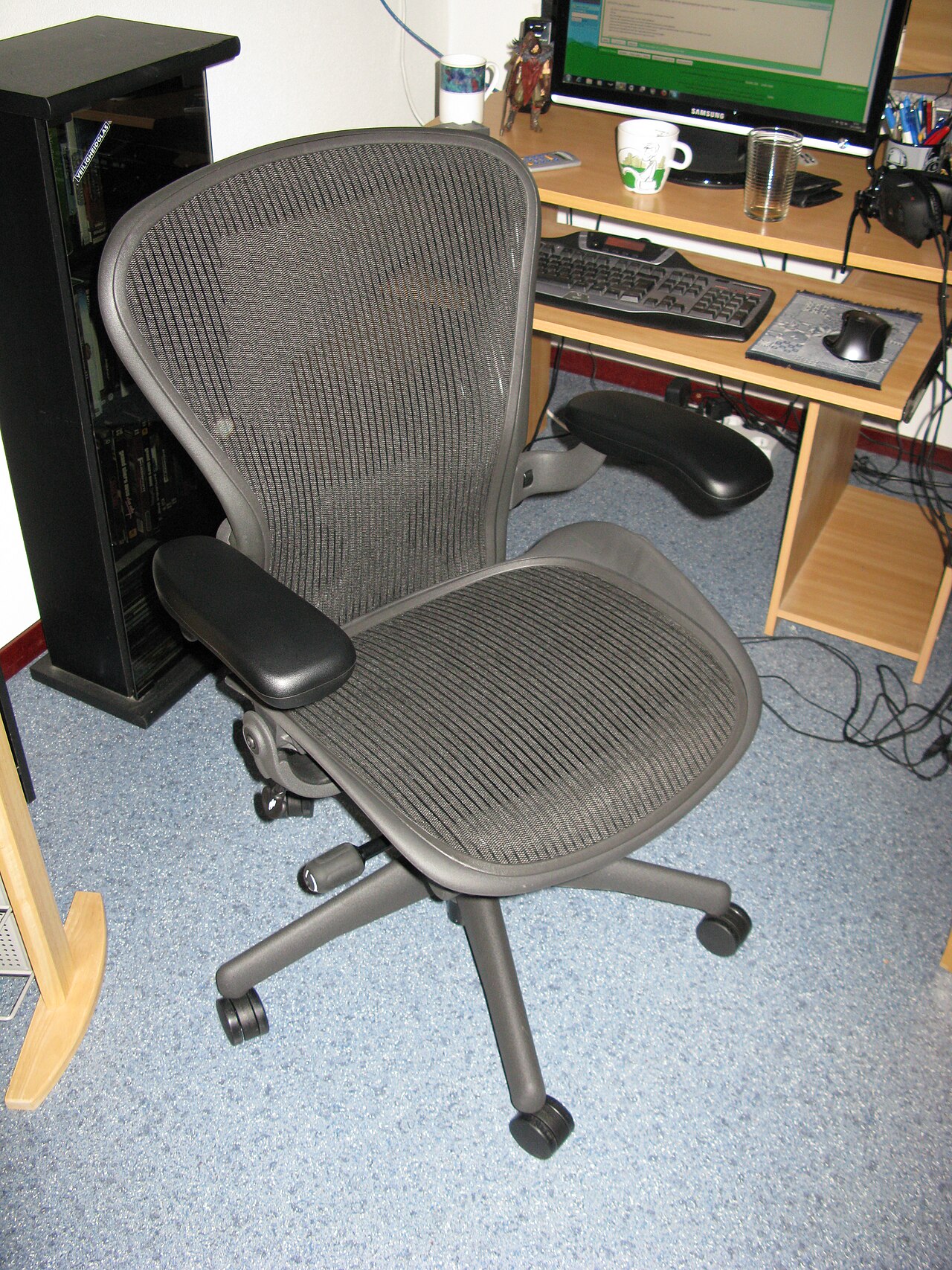
- Best overall: Herman Miller Embody — pressure-distributing backrest, 70 cm wide, built for long focus sessions. About $1,500 new; used ones run $700–900.
- Best for movement: Steelcase Gesture — 69 cm wide, 3D LiveBack backrest, and armrests that adjust in nearly every direction.
- Best for narrow rooms: Steelcase Series 1 — a slim back profile and a seat that slides deeper than most.
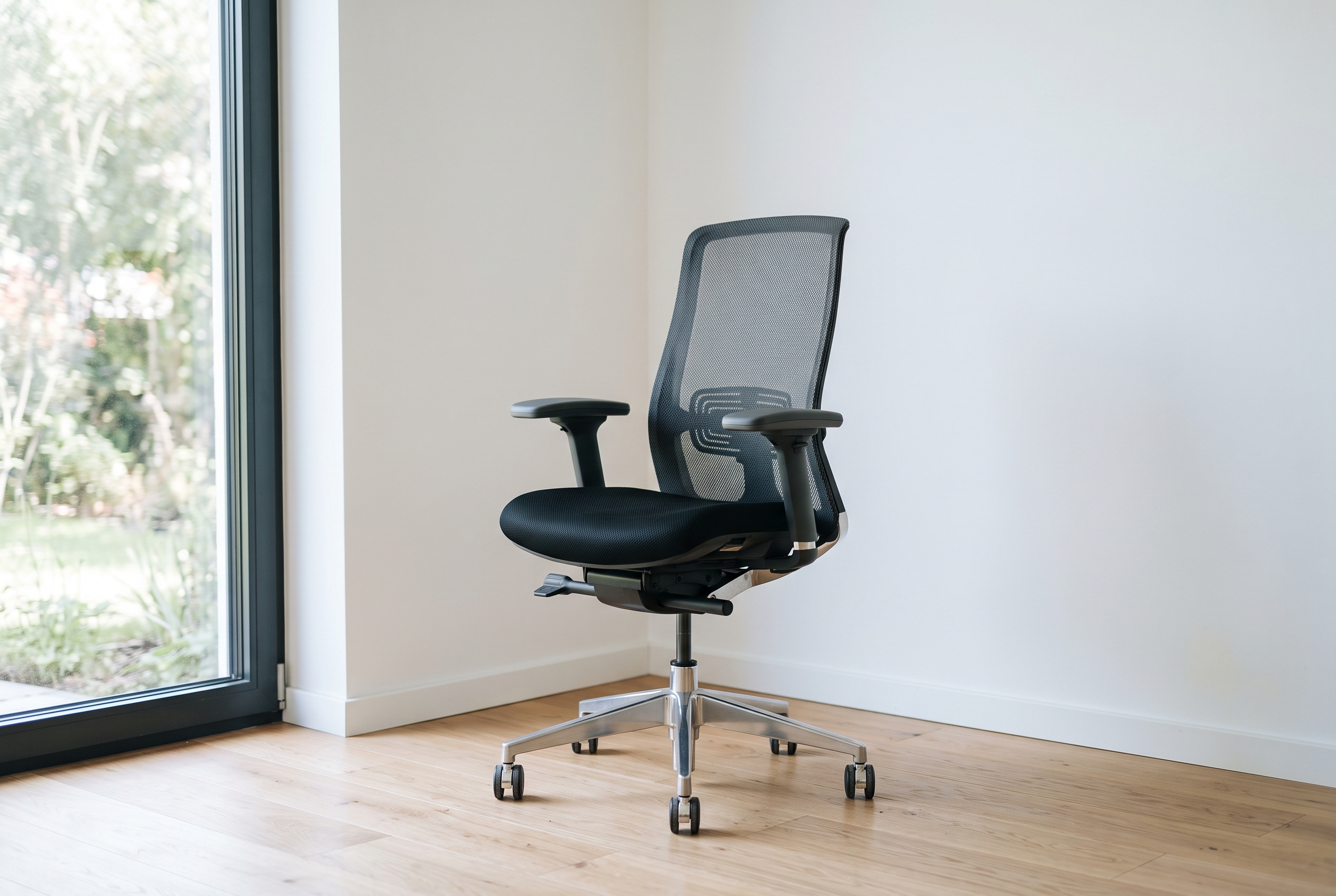
- Best value mesh: Sihoo M57 — roughly $180, with built-in lumbar support and a 150 kg weight rating.
- Best for tall people: NOUHAUS Ergo3D — the seat rises to 58 cm, which matters if your desk is on the taller side.
How We Chose
The comparison started with hard limits:
- Overall width under 70 cm, so the chair clears doorways and tight gaps.
- Seat height range that works with desks between 70 and 80 cm tall.
- Armrests that adjust out of the way, plus lumbar support that actually moves.
- A base that doesn’t spread wider than the seat.
- Typical prices run ≈ $150 to ≈ $1,400, because small-apartment budgets vary wildly.
Long-term owner reviews were weighted heavily: specs don’t tell you that a headrest will press into your shoulder blades at 168 cm tall, or that cheap casters will scratch a rented apartment’s hardwood floor.
| Chair | Specs | ||
|---|---|---|---|
| Herman Miller Embody | Long focus sessions | Pressure-distributing back | $$$$ |
| Steelcase Gesture | Many postures | 3D LiveBack + 4D arms | $$$$ |
| Steelcase Series 1 | 67 cm wide · 40–54 cm seat height · ~$529 · Best for narrow rooms — — | ||
| Sihoo M57 | 64 cm wide · 46–55 cm seat height · ~$180 · Best value mesh — — | ||
| NOUHAUS Ergo3D | 66 cm wide · 47–58 cm seat height · ~$280 · Best for tall people — — |
Reviews
Herman Miller Embody
The Embody is built for long, focused sessions in tight quarters. Its backrest distributes pressure across the whole spine instead of concentrating it in one spot, which owners say makes a real difference by hour six. The seat is 70 cm wide and the frame is surprisingly light for a chair at this level. The 12-year warranty is the longest in this roundup. The price is the problem at about $1,500 new; a used one from a closing office is the smarter buy.
Typical price: ~$1,500. Check current price on Amazon
Steelcase Gesture
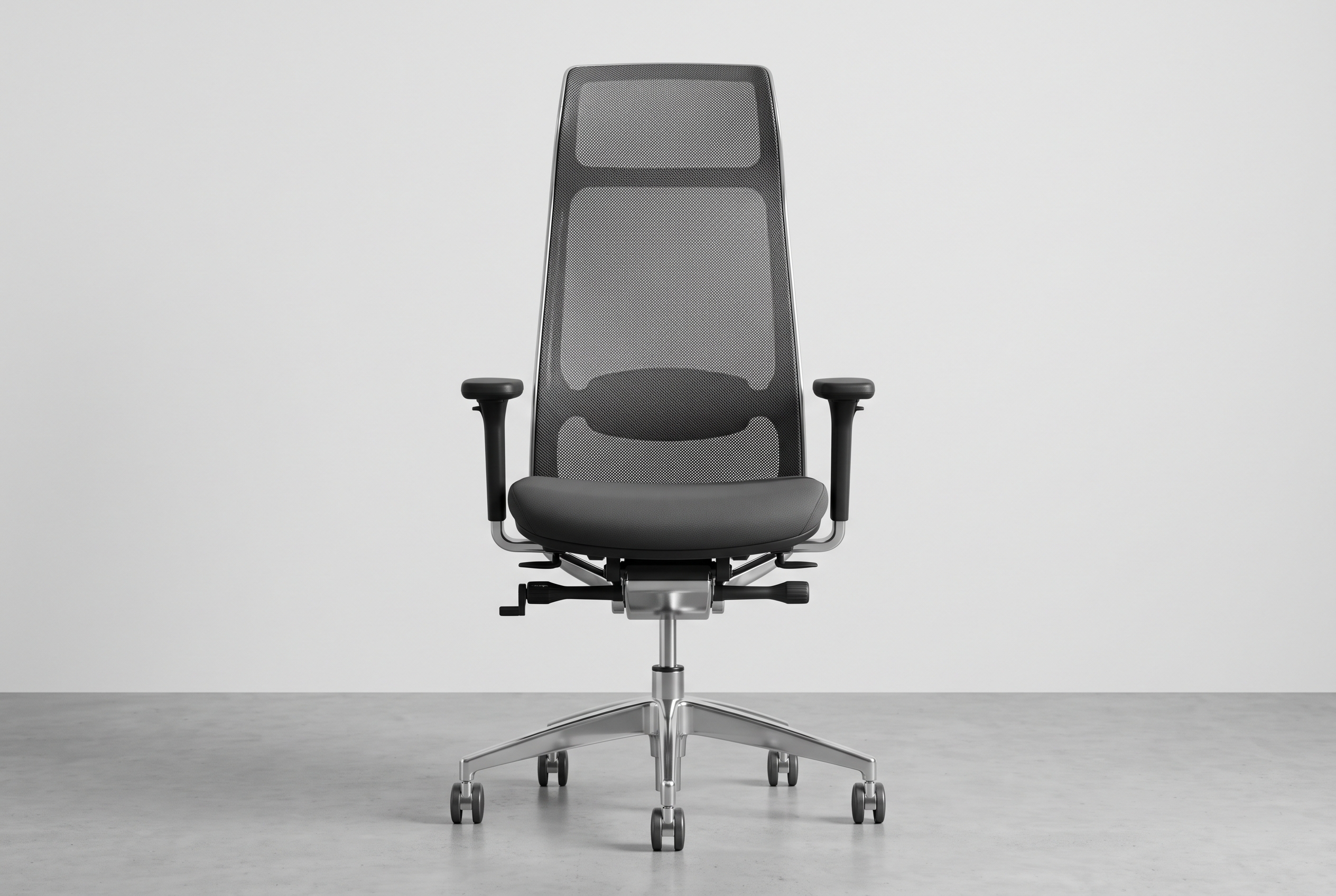
The Gesture is the pick for people who shift between many postures through the day. Its 3D LiveBack technology follows your spine as you lean and recline, and the armrests adjust in nearly every direction — a rare combination at any width. It is 69 cm wide and 60 cm deep, which clears most apartment doorways. What it lacks: a budget price. New units run about $1,300, so most buyers wait for refurbished stock.
Typical price: ~$1,300. Check current price on Amazon
Steelcase Series 1
The Series 1 is the pick for anyone whose “office” is a hallway nook. The back is noticeably slimmer than the Embody’s, and the seat slides forward up to 5 cm, which helps with shallow desks. It starts around $529. The lumbar support is a firm plastic curve, not a cushion — some people love that, some hate it.
Typical price: ~$529. Check current price on Amazon
Sihoo M57
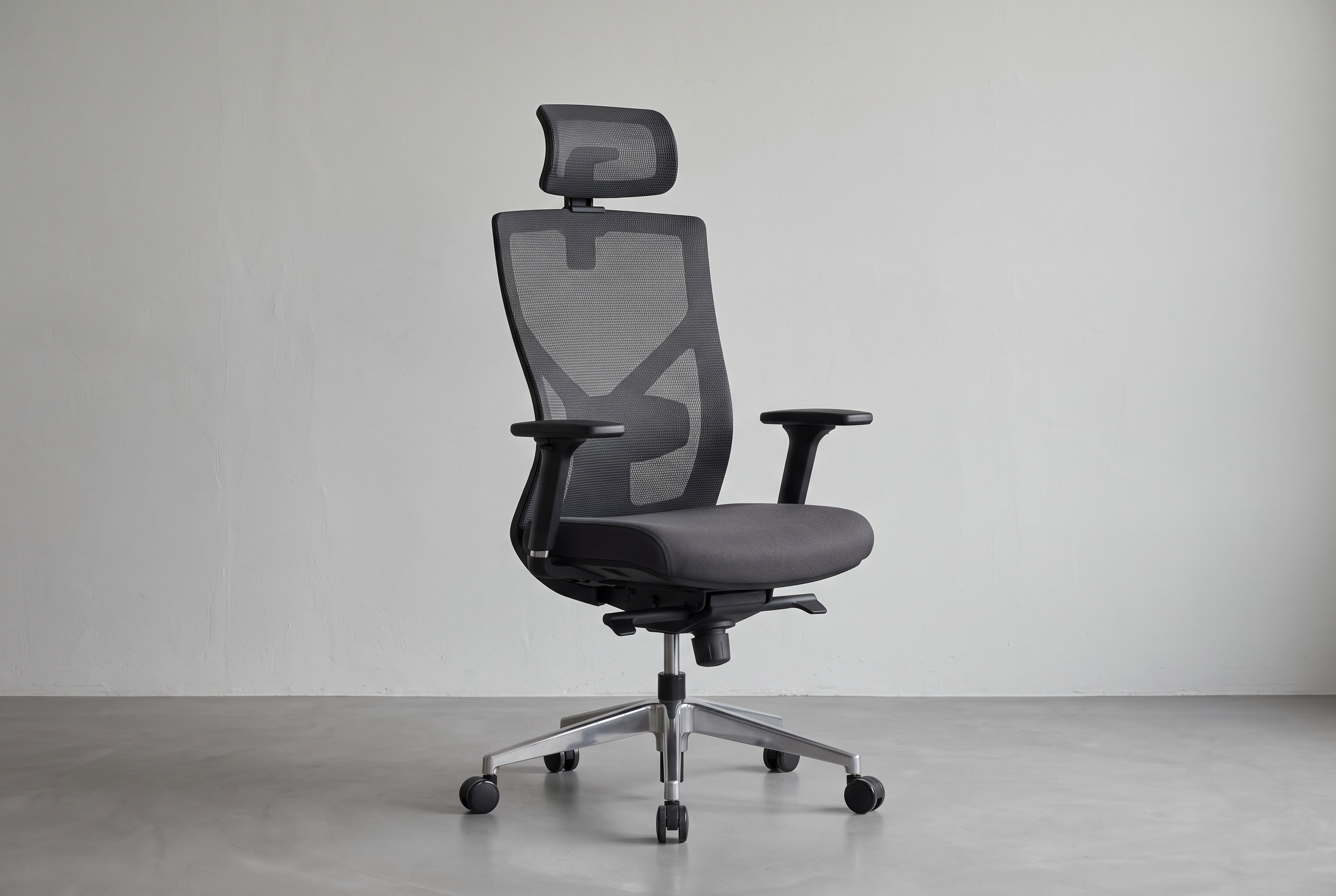
This is the chair to point budget shoppers to. At roughly $180, you get a mesh back, adjustable lumbar, 3D armrests, and a 150 kg weight rating. The seat height tops out at 55 cm, so it suits desks up to about 78 cm. The build feels lighter than the Steelcase, a fair trade for the price gap.
Typical price: ~$180. Check current price on Amazon
NOUHAUS Ergo3D
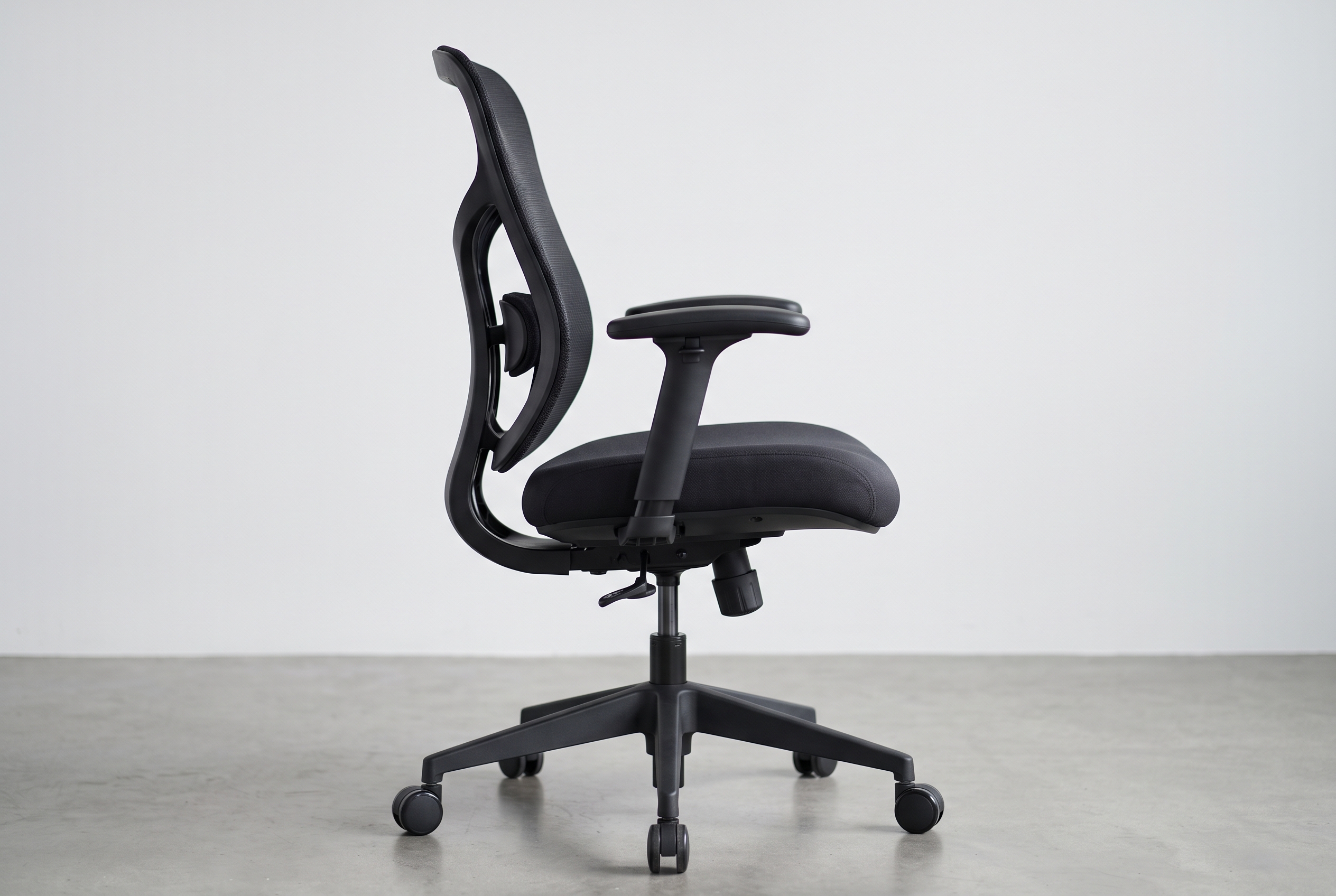
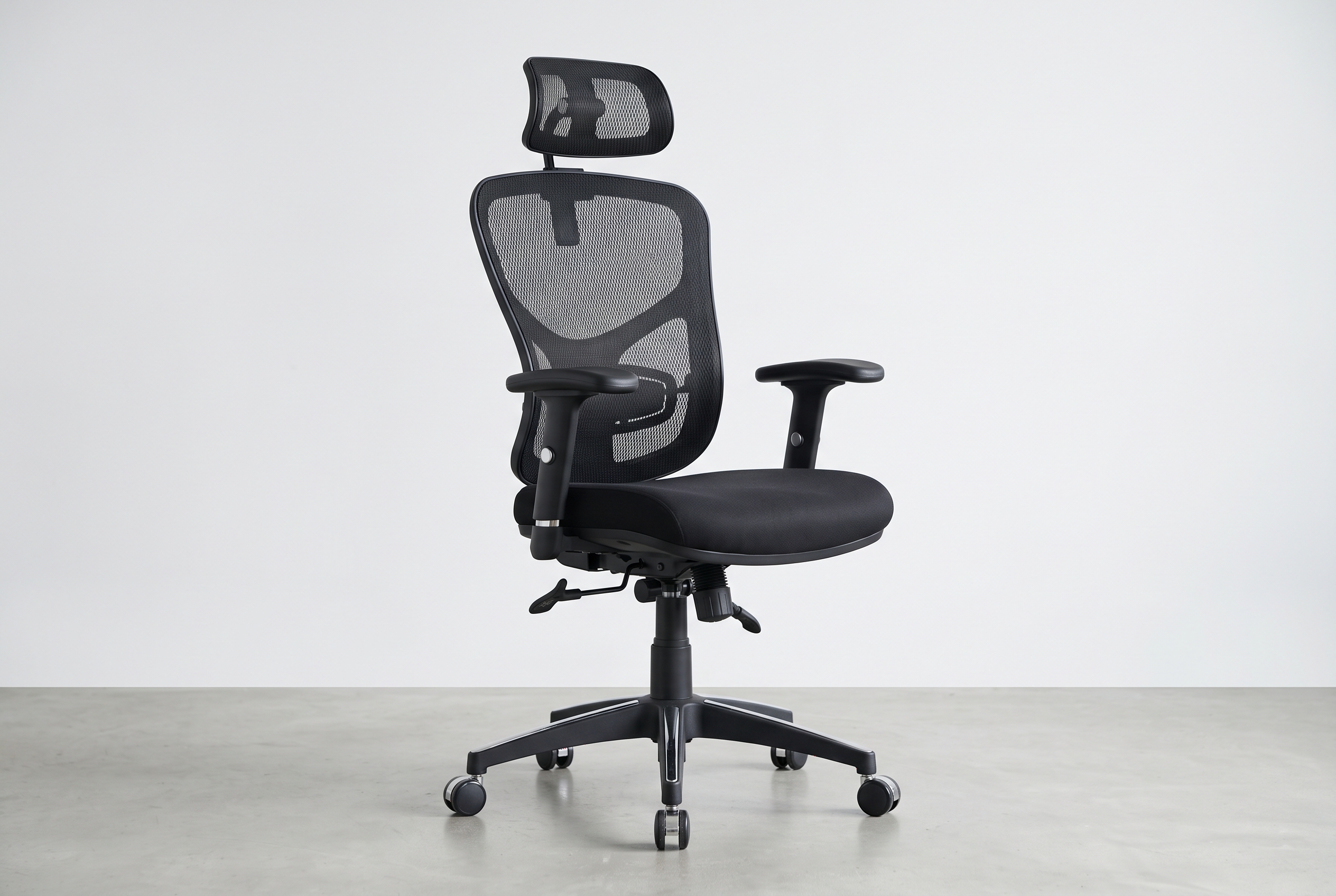
Tall people in small apartments get squeezed twice: once by the room, once by chairs built for average heights. The Ergo3D’s seat rises to 58 cm, so a 185 cm person can sit with their feet flat. Around $280. The trade-off is the headrest — it’s fixed, and if it doesn’t hit your neck right, it’s useless.
Typical price: ~$280. Check current price on Amazon
Measure your gap before you buy
Grab a tape measure and check four numbers: the width of your narrowest doorway (many older European flats sit at 75–80 cm), the height of your desk, ceiling height, and the width of the path behind your desk. A chair that passes all four won’t fit perfectly, but it won’t be a return either.
Look for chairs that shrink when you stop using them
Slide-under clearance matters most. A compact base and low back let a chair disappear under a 72 cm desk, leaving the floor free.
Skip oversized anything
Headrests that tower above your ears, armrests wider than your shoulders, and bases that spread past the seat all waste space you don’t have. If you’re under 170 cm, a Sihoo M57 or NOUHAUS Ergo3D will fit you better than a “one size fits all” gaming throne.
Still comparing chair types? Our full ergonomic chair buying guide lines up popular models by body size and budget.
FAQ
Will a used Herman Miller Embody fit a small apartment?
Yes, if you get Size A. It’s 67 cm wide with a 39–52 cm seat range, so it clears standard doorways and fits under most desks. Used prices run $600–800, about half of new.
Is a kneeling chair better for tiny spaces?
For short sessions, yes — far less floor space and better posture. For eight-hour days, no; the knee pressure gets unbearable after a few hours.
What seat height do I need for a 75 cm desk?
Your seat should land between 40 and 50 cm, with your feet flat on the floor. Any chair whose range covers 42–52 cm gives you room to adjust.
Do I need a headrest?
Only if you lean back between tasks. In a small room, a headrest that doesn’t match your height is dead weight — that money is better spent on adjustable armrests.
Shop These Picks on Amazon
Ready to compare prices? These links open Amazon listings for the specific products covered in this guide, so you can check current models and prices yourself. If you buy through them, we may earn a small commission at no extra cost to you — it helps keep RemoteErgoLab free.
Related Guides
- 7 Best Ergonomic Chairs for Remote Workers
- The Complete Ergonomic Home Office Setup Guide
- Ergonomic Chairs for Short People: 5 Picks Under 5’4″ (2026)
- Best Ergonomic Chairs for Tall People 2026: 5 Picks
Disclosure
As an Amazon Associate we earn from qualifying purchases.