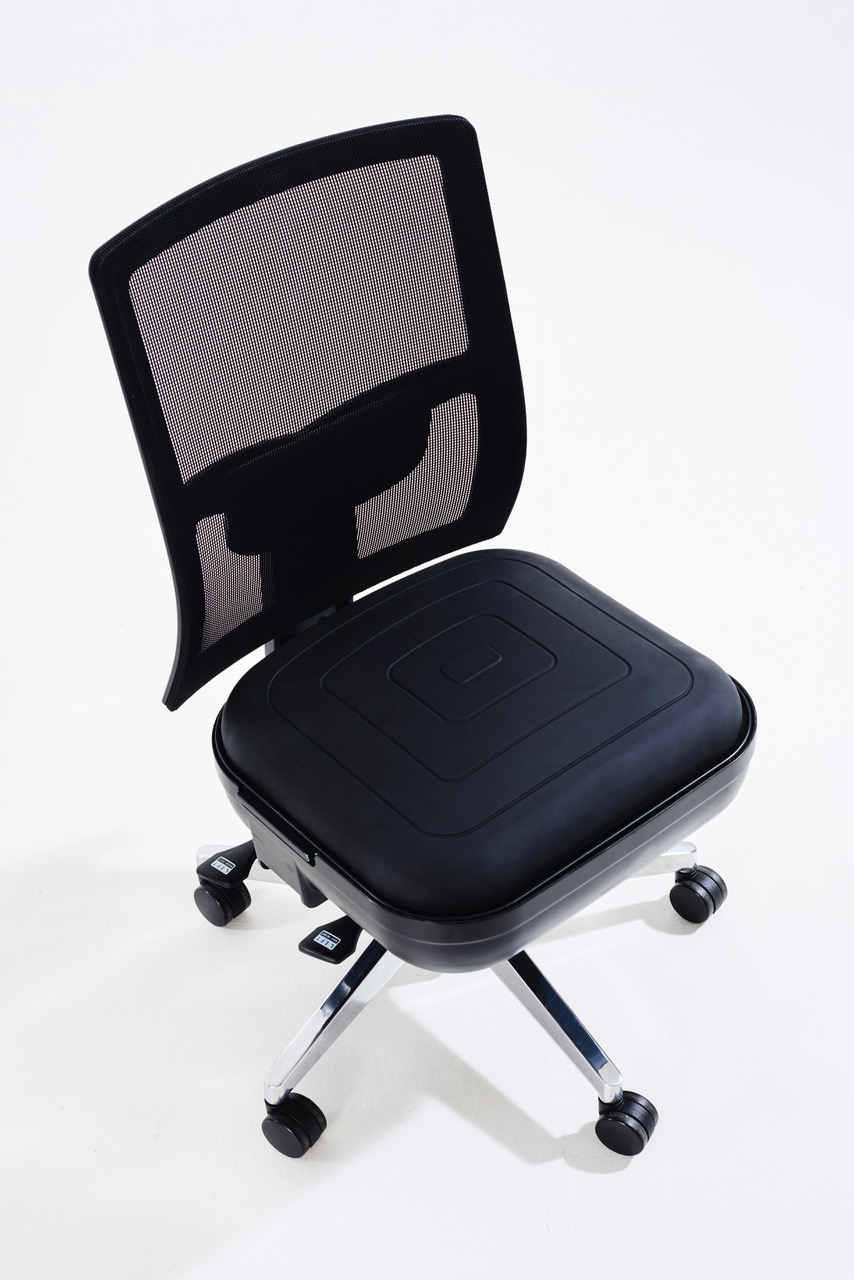
An ergonomic chair is the most-used piece of furniture in a home office, so match it to your body type before your budget: most remote workers fit a chair with 4-6 inches (10-15 cm) of seat-height range, adjustable lumbar depth and a 5-12 year warranty, and prices run from about $180 for a mesh budget model to $1,500+ for a top-tier task chair, per manufacturer listings checked in October 2026. This guide covers what actually matters, then compares five of the most popular ergonomic chairs for remote work in 2026. More round-ups organised by body size and budget live in our ergonomic chair guides.
Quick Answer
An ergonomic chair for remote work should offer 10–15 cm of seat-height range, adjustable lumbar depth, and a 5–12 year warranty to suit users from about 5 ft to 6 ft 4 in. Prices run from around $180 for mesh budget models to $1,500 or more for top-tier task chairs. Match the chair to your height and sitting hours first, then your budget, and adjust seat height so feet rest flat and thighs sit parallel to the floor.
How to Choose an Ergonomic Chair: What Actually Matters
- Adjustability: look for 4-6 inches (10-15 cm) of seat-height range, adjustable lumbar depth, and armrests that lift or swing, so one chair fits users from about 5 ft 0 in to 6 ft 4 in, per manufacturer listings.
- Lumbar support: the backrest should fill the curve of your lower spine, ideally moving about 1-4 inches (2.5-10 cm) up or down.
- Seat depth and width: a 16-19 inch (41-48 cm) seat depth suits most adults; leave two to three fingers of space behind the knee, per common chair-size charts.
- Material: breathable mesh keeps you cool through 6+ hour sessions; fabric and leather are cozier but warmer.
- Warranty: a 5-12 year term signals a steel frame built to last, and 12 years is common on task chairs priced above $450, per manufacturer listings.
Who Should Buy Which Ergonomic Chair?
The right ergonomic chair depends on your height, your budget and how long you sit. A user under 5 ft 4 in usually needs a seat that slides forward and a lumbar pad that sits low; a user over 6 ft 2 in needs a deeper seat and a taller backrest; a user on a tight budget gets most of the benefit from a mesh chair with adjustable lumbar under $250, per manufacturer size charts. The table below maps typical body types and budgets to the five picks in this guide.
| Your profile | Best fit | Typical price |
|---|---|---|
| Small home office, wants premium build | Steelcase Series 1 | $450-$600 |
| Switches postures all day, tall | Steelcase Gesture | $900-$1,300 |
| 6+ hours of focused sitting | Herman Miller Embody | $1,500-$2,000 |
| Budget under $250 | Sihoo M57 | $150-$220 |
| Very tall, small apartment | NOUHAUS Ergo3D | $230-$320 |
Prices are typical U.S. listings checked in October 2026 and move with sales, so confirm the current number on each product page before you buy.
How Do You Set Up an Ergonomic Chair Correctly?
A correctly set-up ergonomic chair takes about five minutes to dial in, and it is what turns an adjustable chair into a comfortable one. Set the seat height so your feet rest flat and your thighs sit parallel to the floor, which usually puts the seat top 16-21 inches (41-53 cm) from the ground. Slide the seat forward or back until two to three fingers of space remain behind your knees, set the lumbar pad into the small of your back, and raise the armrests so your shoulders stay relaxed with elbows at 90 degrees. Keep the backrest reclined 100-110 degrees to take load off the spine, per common ergonomics guides.
- Feet flat, thighs parallel – seat top 16-21 inches (41-53 cm)
- Two to three fingers of space behind the knee
- Lumbar pad filling the small of the back
- Elbows at 90 degrees, shoulders relaxed
- Backrest reclined 100-110 degrees
The 5 Best Ergonomic Chairs in 2026
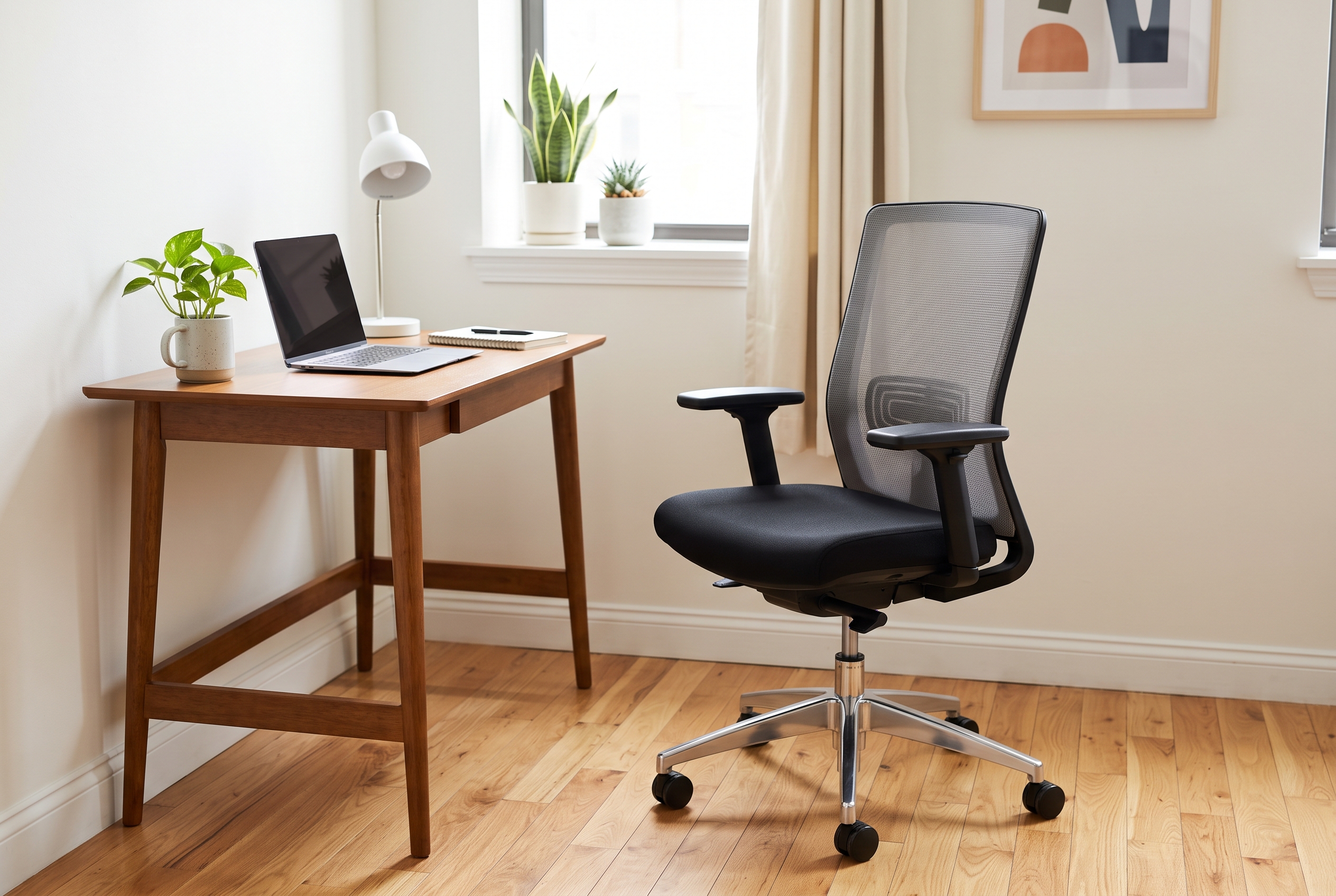
1. Steelcase Series 1 — Who Should Buy It?
The Steelcase Series 1 is the best ergonomic chair for a small home office, because it packs adjustable seat depth, lumbar depth and armrests into a slimmer frame than the Gesture while keeping a 12-year warranty, per the manufacturer’s listing. It fits users from about 4 ft 11 in to 6 ft 4 in and typically sells for $450-$600, per current listings. Choose it if your workspace is a corner of a bedroom and you want long-warranty build quality without the flagship price.
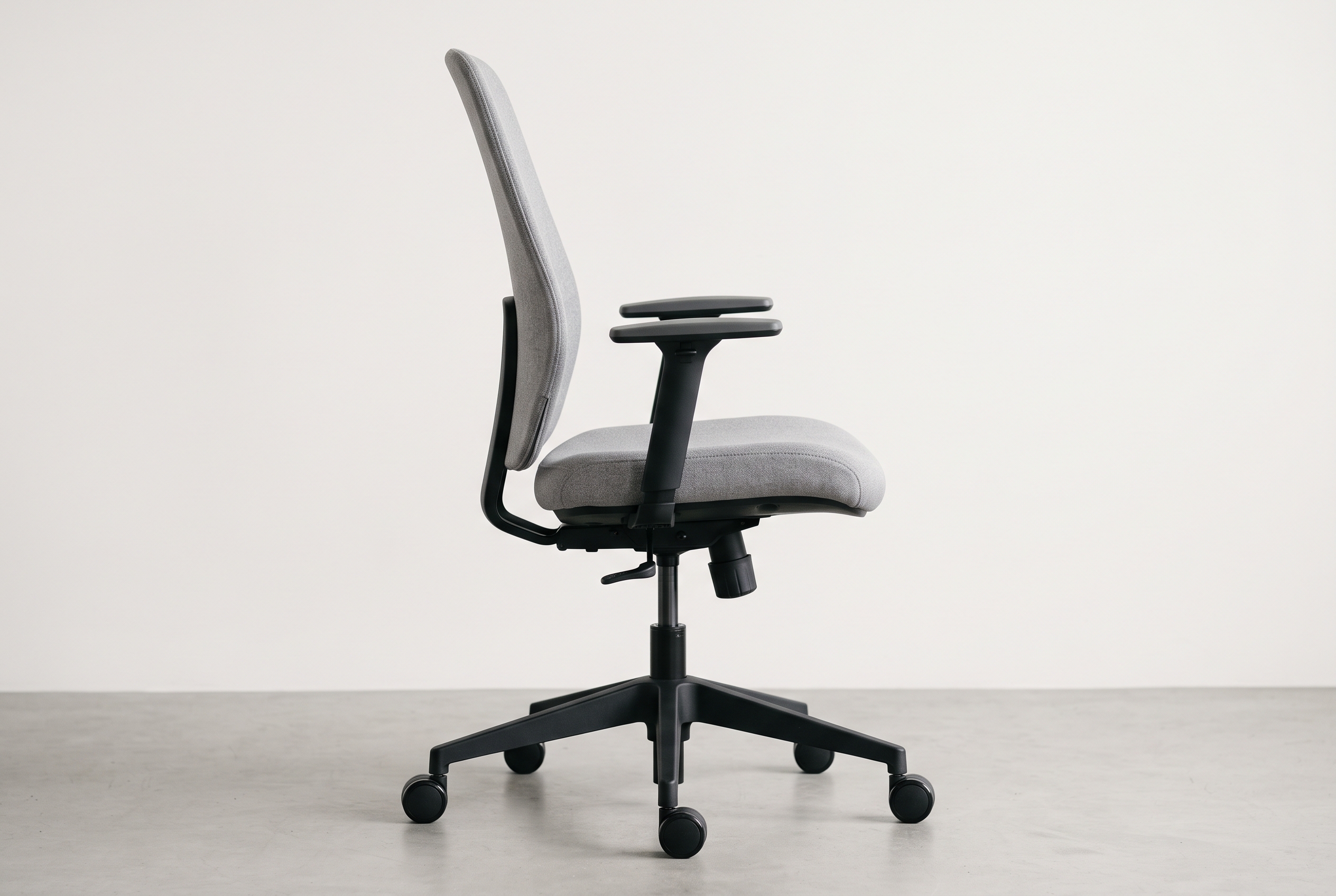
2. Steelcase Gesture — Who Should Buy It?
The Steelcase Gesture is the best chair for people who switch between many postures all day, because its 3D LiveBack backrest flexes with the spine and its armrests move in nearly every direction, per the manufacturer’s listing. It fits tall users up to about 6 ft 6 in, carries a 12-year warranty, and usually costs $900-$1,300 in current listings. Pick it if you recline, lean and shift constantly and want one chair to follow every position.
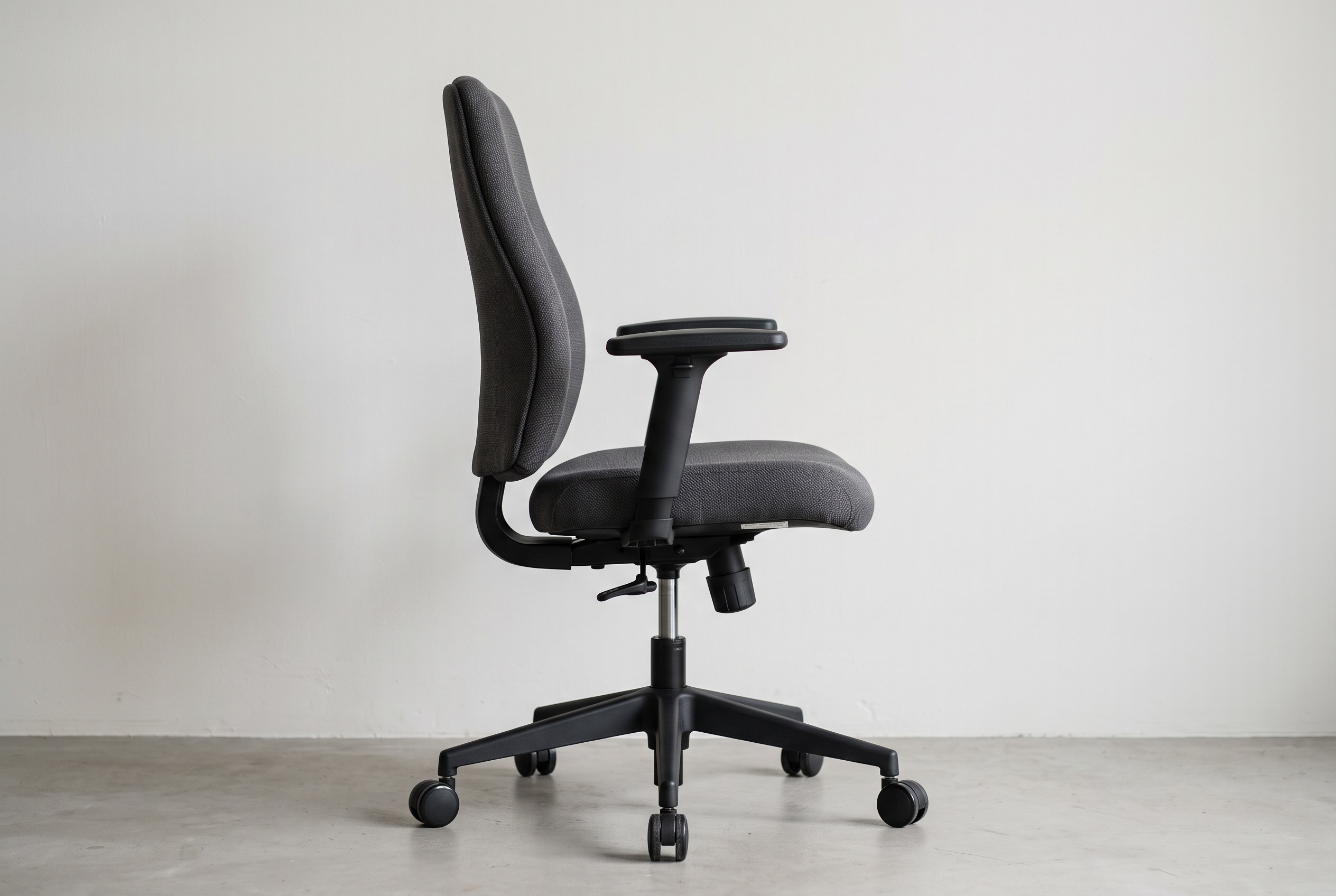
3. Herman Miller Embody — Who Should Buy It?
The Herman Miller Embody is the best chair for long, focused work sessions, because its narrow back and seat distribute pressure and encourage small movements, per the manufacturer’s listing. It fits users up to about 6 ft 6 in, carries a 12-year warranty, and typically costs $1,500-$2,000. Choose it if you sit for 6 or more hours a day and care most about even back support.
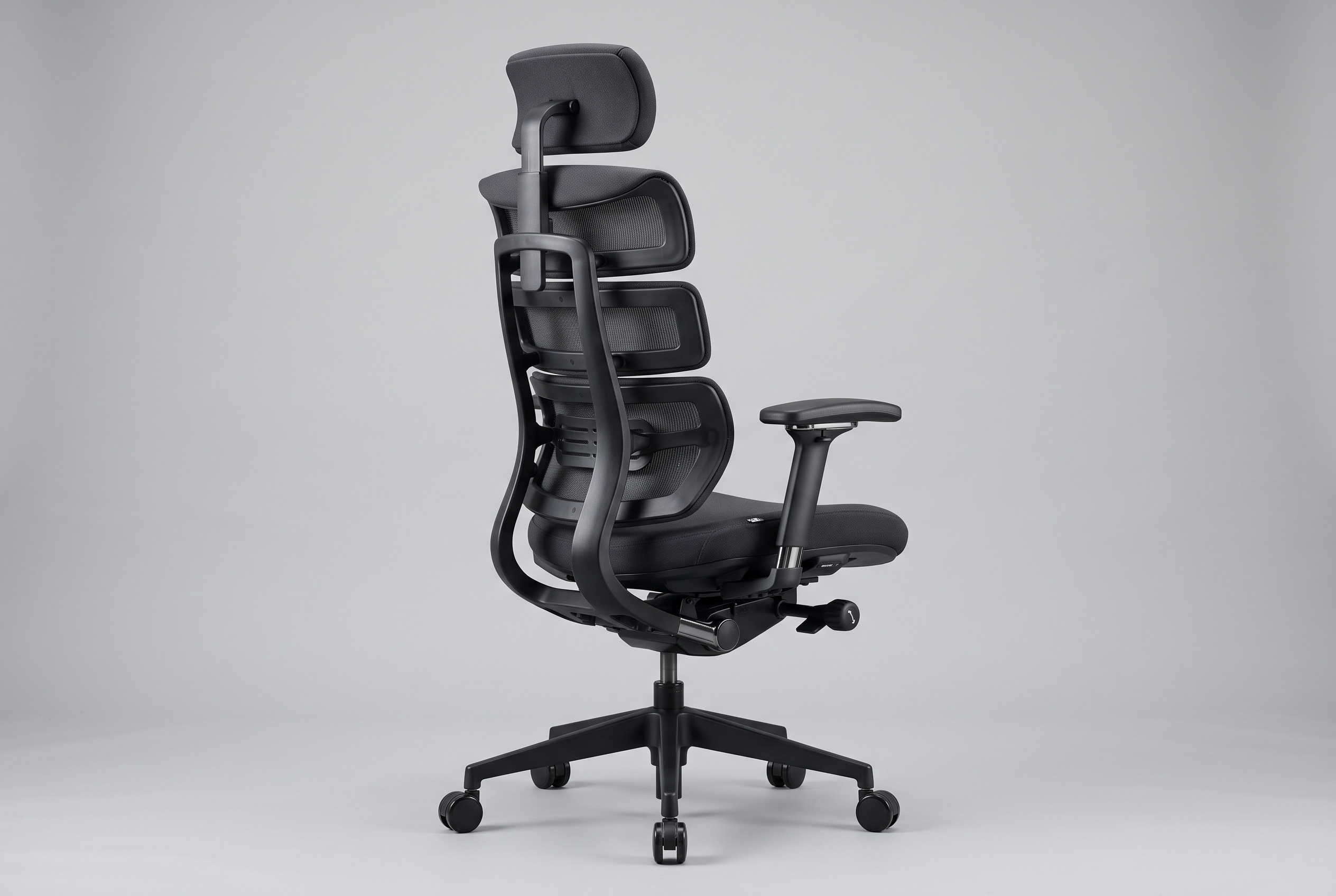
4. Sihoo M57 — Who Should Buy It?
The Sihoo M57 is the best ergonomic chair under $250, because it combines a mesh back, adjustable lumbar support, 3D armrests and a 150 kg (330 lb) rated frame at roughly $180, per the manufacturer’s listing. The trade-offs are a firmer seat and a shorter warranty than the US premium brands. Pick it if you need full adjustability on a budget and can accept a firmer cushion.
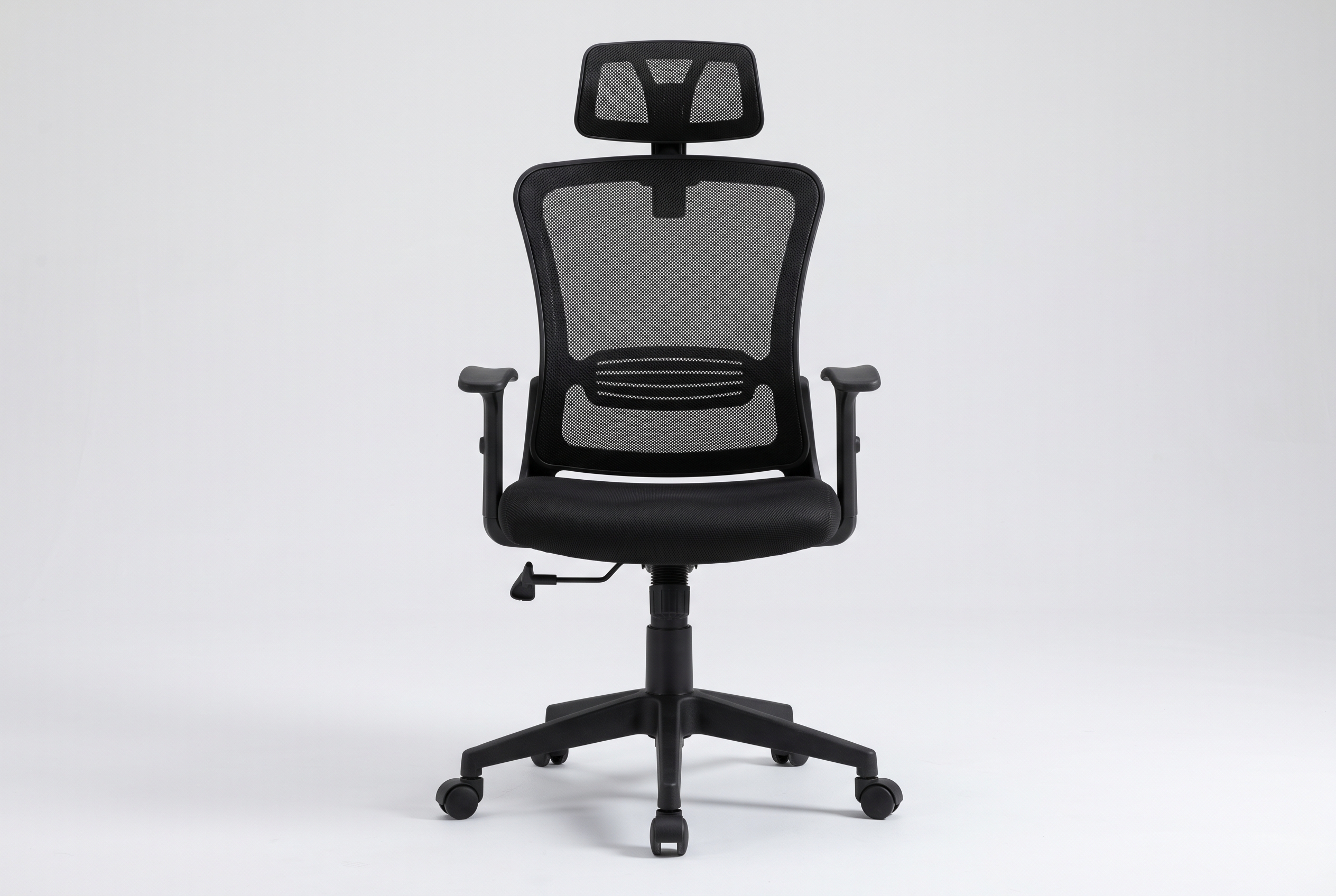
5. NOUHAUS Ergo3D — Who Should Buy It?
The NOUHAUS Ergo3D is the best ergonomic chair for tall users in a small apartment, because its seat depth and 3D armrests adjust widely and its headrest reaches taller sitters, per the manufacturer’s listing. It is rated to about 300 lb and typically costs $230-$320. Choose it if you are over 6 ft 2 in and most office chairs stop at your shoulder blades.
Comparison at a Glance
| Chair | Best For | Key Feature | Price Range |
|---|---|---|---|
| Steelcase Series 1 | Small spaces | Adjustable seat depth + arms | $450-$600 |
| Steelcase Gesture | Multiple postures | 3D LiveBack | $900-$1,300 |
| Herman Miller Embody | Long focus sessions | Pressure distribution | $1,500-$2,000 |
| Sihoo M57 | Budget | Mesh + 3D arms, 150 kg | $150-$220 |
| NOUHAUS Ergo3D | Tall users | Deep seat + headrest | $230-$320 |
| IKEA Markus | Tight budgets | High back support | $200-$250 |
| Secretlab Titan Evo | Larger body types | Adjustable lumbar | $500-$650 |
Ranges are typical U.S. listings checked in October 2026 and vary with sales and fabric options, per each manufacturer’s product page.
Frequently Asked Questions (FAQ)
How much should you spend on an ergonomic chair?
A decent ergonomic chair starts around $200-$300, and premium models run $1,000+, per current listings. The 12-year warranties on the $450+ models often make them cheaper per year than replacing a $180 chair every two years, so the total cost of ownership favours a mid-range chair with a long warranty if you sit 6+ hours a day.
Is mesh or fabric better for an ergonomic chair?
Mesh is better for warm rooms and long sessions, because air moves through the backrest and keeps you cooler; fabric is softer and warmer, so it suits cool rooms and shorter sits. On a mesh chair look for a frame that flexes at about 1-2 inches of give, and on fabric choose a breathable weave if you sit more than 4 hours a day, per manufacturer material guides.
Can a gaming chair be ergonomic?
A gaming chair can be ergonomic if it has real adjustability: the Secretlab Titan Evo includes adjustable lumbar support and armrests, and typically costs $500-$650, per the manufacturer’s listing. Avoid budget gaming chairs whose only lumbar support is a loose pillow, and check for at least 4 inches of seat-height range and a 5-year-or-longer warranty.
Which ergonomic chair should you actually buy?
Buy the chair that matches your body first, then your budget: if budget allows, the Steelcase Gesture ($900-$1,300) or Herman Miller Embody ($1,500-$2,000) are long-term investments with 12-year warranties, while the Sihoo M57 (about $180) or NOUHAUS Ergo3D ($230-$320) deliver most of the adjustment range for a fraction of the price, per manufacturer listings. Whichever you choose, set the seat height so your feet sit flat and your elbows rest at 90 degrees, because an unadjusted ergonomic chair is just an expensive chair.
Related Guides
- The Complete Ergonomic Home Office Setup Guide
- How to Arrange a Standing Desk in a Small Apartment
- Start Here — New to Ergonomics?
Remote Ergo Lab is reader-supported. When you buy through links on our site, we may earn an affiliate commission. See our Affiliate Disclosure.
Featured photo: ErgoFlip Active Ergonomic Chair (CC BY-SA 4.0, via Wikimedia Commons).
Shop These Picks on Amazon
Ready to compare prices? These links open Amazon listings for the specific products covered in this guide, so you can check current models and prices yourself. If you buy through them, we may earn a small commission at no extra cost to you — it helps keep RemoteErgoLab free.
Disclosure
As an Amazon Associate we earn from qualifying purchases.
Shop These Picks on AmazonReady to upgrade your setup? The links below go to the specific products covered in this guide. If you buy through them, we may earn a small commission at no extra cost to you — it helps keep RemoteErgoLab free.